
Check the Status & Authenticity of Your Insurance Policy
 Nabil Farhan· · 1 min read
Table of contents
Introduction
Making sure your insurance policy is valid and active is essential, and Check the Status & Authenticity with BJAK makes it simple. BJAK’s digital platform allows drivers to verify their insurance policy quickly, confirm roadtax status, and ensure all documents are complete and legitimate after renewal. This helps prevent fines or issues during road inspections.
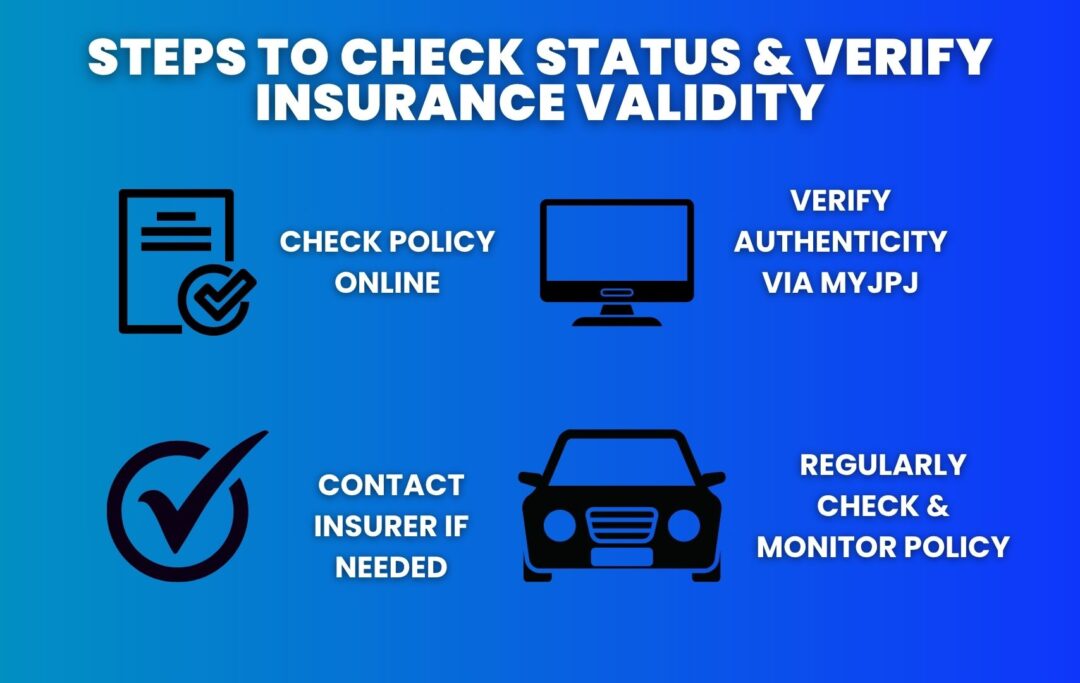
1. Check Policy Status Online
BJAK allows you to quickly check your policy status. Simply log in to your BJAK account, select your vehicle, and see whether the policy is still active.
Additionally, you can review the expiry date and coverage type to ensure there are no gaps in protection.
2. Verify Policy Authenticity via MyJPJ
Besides BJAK, you can verify your policy’s authenticity on MyJPJ. Enter your vehicle plate number and policy number for a quick check.
This is important because invalid or fake policies can lead to fines or problems during road inspections.
3. Check Directly with the Original Insurer
If needed, contact the insurance company that issued your policy. They can confirm your policy status, coverage amount, and any active add-ons.
This also gives extra confidence that your policy is officially valid and recognized.
4. Benefits of Regular Checks
Regularly checking your policy helps drivers avoid issues like lapse coverage or errors in insurance records.
Moreover, BJAK makes it easy to monitor all your policies in one platform, saving time and ensuring every vehicle you own is properly protected.
Conclusion
Using BJAK to Check the Status & Authenticity of your insurance policy ensures your coverage remains active and legitimate. Online verification, MyJPJ checks, and direct insurer confirmation make the process fast, secure, and reliable. Regular checks with BJAK let you drive confidently, knowing your vehicle is fully protected.