When a vehicle owner passes away, the ownership of the vehicle may need to be transferred to the rightful new owner before the vehicle can be properly managed and used.
This is especially important if the family wants to continue using the vehicle, renew its insurance and roadtax, or eventually sell it.
The process involves settling the deceased’s estate, preparing the relevant ownership documents, completing any required vehicle inspection and registering the new owner with JPJ.
Here is a general guide to the process.
1. Settle the Deceased’s Estate
A vehicle owned by a deceased person is generally treated as part of the deceased’s estate.
Before transferring the vehicle, the estate administration or inheritance distribution process should be settled.
Depending on the circumstances, the relevant authority or estate administrator may issue documents confirming who is entitled to the vehicle.
The required process can differ depending on the value of the estate, whether there is a will and how the estate is being administered.
2. Prepare Proof of Authority or Ownership
The new owner will need documents showing their legal right to take ownership of the vehicle.
Depending on the case, this may include documents such as:
- Probate or relevant court documents
- Letter of Administration
- Documents issued by Amanah Raya
- Estate administrator documents
- Other documents confirming the transfer of the vehicle
The exact documents required depend on how the deceased’s estate is being administered.
It is a good idea to confirm the current JPJ requirements before making a visit.
3. Complete the Required Vehicle Inspection
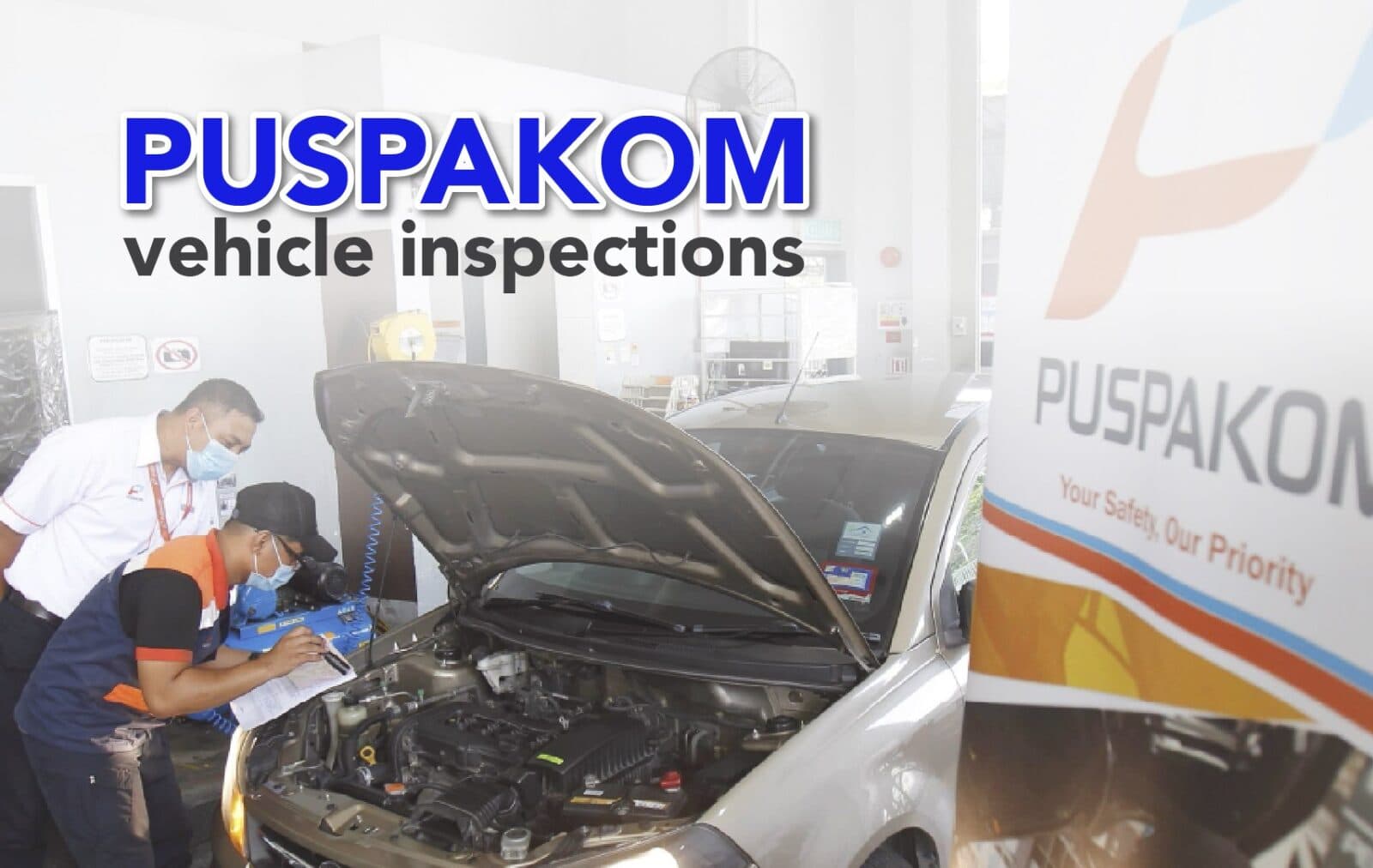
A vehicle ownership transfer may require a PUSPAKOM inspection, depending on the circumstances and current JPJ requirements.
For cases where a Transfer of Ownership Inspection is required, the vehicle may need to undergo the relevant inspection before the ownership transfer can be completed.
You should check the current PUSPAKOM and JPJ requirements before making an appointment.
If the vehicle does not pass the inspection, any identified issues may need to be repaired before the vehicle can undergo another inspection.
4. Prepare Insurance Under the New Owner
Once the ownership transfer is ready to proceed, the new owner will need to arrange motor insurance in their own name where required.
When purchasing the policy, provide the correct vehicle and new-owner details.
You can also renew car insurance and roadtax together through Bjak.
5. Prepare the Documents for JPJ
Before visiting JPJ, prepare the documents required for the ownership transfer.
Depending on the case, these may include:
- Identification document of the new owner
- Relevant JPJ ownership transfer forms
- Original vehicle registration document, where applicable
- PUSPAKOM inspection result, if required
- Probate, court or estate administration documents
- Other supporting documents requested by JPJ
The exact documents can vary depending on the inheritance and ownership situation.
For the latest requirements, check with JPJ before visiting the branch.
6. Complete the Ownership Transfer at JPJ
After the required documents and inspection have been completed, the new owner can proceed with the ownership transfer through JPJ.
Bring the original documents and supporting documents required for the transaction.
JPJ will process the transfer according to the applicable procedures.
Once the transfer is completed, the vehicle will be registered under the new owner’s name.
7. Renew the Roadtax
After the ownership and insurance matters have been settled, the new owner can proceed with the roadtax renewal.
You can renew roadtax and insurance online through Bjak if the vehicle and transaction meet the applicable requirements.
If the roadtax has already been expired for a long period, additional procedures may apply. You can also read more about whether expired roadtax can be renewed online.
Can You Renew Roadtax Before Changing the Ownership?
This depends on the circumstances and the vehicle’s current registration and insurance status.
If the vehicle is still registered under the deceased owner’s name, do not assume that the normal renewal process will always apply.
It is better to settle the ownership and insurance requirements first and confirm with JPJ if you are unsure about the correct procedure.
What If the Deceased’s Vehicle Has Been Left Unused For A Long Time?
If the vehicle has been unused for several years, check its roadtax status before driving it.
A vehicle with roadtax that has expired for more than three years may be subject to additional inspection requirements before the roadtax can be renewed.
Do not drive the vehicle on public roads until the necessary insurance, roadtax and other requirements have been fulfilled.
How Long Does the Ownership Transfer Take?
There is no single processing time that applies to every deceased-owner transfer.
The timeline can depend on:
- How quickly the estate is settled
- Availability of the required documents
- PUSPAKOM inspection requirements
- JPJ processing
- Whether there are any issues with the vehicle or ownership records
Preparing the relevant documents in advance can help make the process smoother.
Final Checklist
Before going to JPJ, make sure you have checked:
- Estate or inheritance documents
- New owner’s identification
- Required JPJ forms
- Vehicle registration documents
- PUSPAKOM inspection documents, if required
- Insurance under the new owner, where applicable
- Any other supporting documents requested by JPJ
If you are unsure about the documents required for your specific inheritance situation, check with JPJ before making the trip.
Conclusion
Transferring a vehicle from a deceased owner to a new owner involves more than simply changing the name on the vehicle registration.
You generally need to settle the estate, prepare proof of ownership, complete any required inspection, arrange insurance and then complete the ownership transfer with JPJ.
Once the transfer is completed, remember to keep the vehicle’s insurance and roadtax valid before using it on the road.

 Nabil Farhan· · 5 min read