How to Transfer Car Insurance Policy When Selling a Vehicle
 Nabil Farhan· · 4 min read
Table of contents
Introduction
Selling your car but still have months left on your insurance policy?
You may have several options, depending on your insurer and policy terms. In most cases, the car insurance policy does not simply transfer to the new owner when you sell the vehicle.
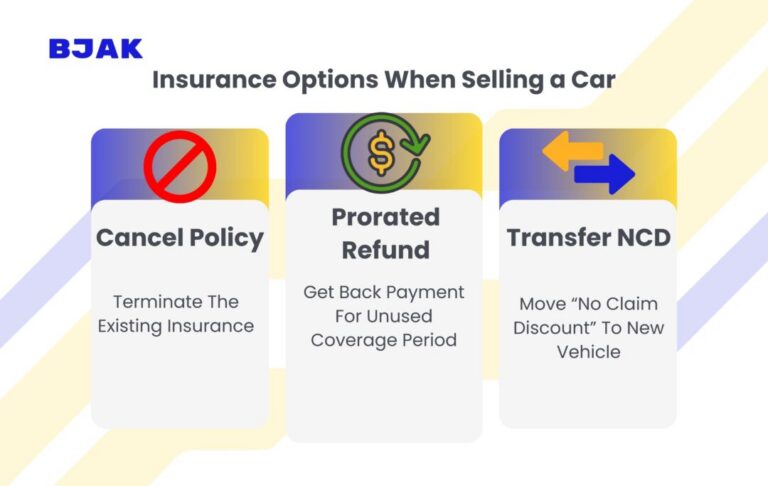
Instead, you may need to cancel the policy, request a refund for the unused period, or arrange to transfer your No Claim Discount (NCD) to another vehicle.
This guide explains what you should know before selling your car.
Can You Transfer Your Car Insurance Policy to the New Owner?
Generally, you cannot simply pass your existing car insurance policy to the buyer.
The policy is issued based on the insured vehicle and policyholder. When ownership changes, the new owner will normally need to arrange their own insurance cover.
As the seller, you may have options such as:
- Cancelling your existing policy
- Requesting a refund for the unused premium, subject to the insurer’s terms
- Transferring your NCD to another eligible vehicle
If you’re buying another car, your NCD may be transferable, subject to the insurer’s rules and requirements.
What Are Your Options?
| Option | What It Means | When It May Be Useful |
|---|---|---|
| Cancel the policy | End your existing policy after selling the vehicle. | When you no longer need the cover for that car. |
| Request a refund | You may receive a refund for the unused premium, subject to policy terms. | When there is unused coverage after the sale. |
| Transfer your NCD | Move your eligible NCD to another vehicle or policy. | When you are buying another car. |
Refund eligibility and NCD transfer conditions can vary between insurers.
What Should You Do When Selling Your Car?
1. Complete the ownership transfer
Make sure the vehicle ownership transfer is completed through the relevant JPJ process.
Keep proof of the sale or ownership change as you may need it when dealing with your insurer.
2. Contact your insurer
Tell your insurer that the vehicle has been sold.
Ask about:
- Policy cancellation
- Refund of unused premium
- NCD transfer
- Required documents
The exact process depends on your insurer.
3. Prepare the required documents
Your insurer may request documents such as:
- NRIC or identification document
- Proof of vehicle ownership transfer or sale
- Insurance policy details
- Cancellation or NCD transfer form
- Other supporting documents, if required
Check with your insurer before submitting the request.
4. Arrange insurance for your next car
If you are buying another vehicle, you can check whether your existing NCD can be transferred to the new policy.
You can also compare car insurance options on BJAK.
What About Your NCD?
Your No Claim Discount (NCD) is separate from the insurance policy itself.
If you have built up an NCD on your old car, you may be able to transfer it to another eligible vehicle when you buy a new car, subject to the insurer’s requirements.
For example, if you have a 55% NCD and sell your current car, don’t assume that the discount automatically moves to the buyer’s insurance policy.
Instead, check with your insurer about transferring the NCD to your next vehicle.
Can You Get a Refund After Selling the Car?
You may be able to receive a refund for the unused portion of your premium after cancelling the policy.
However, the refund is not automatically guaranteed. It depends on the insurer’s cancellation and refund terms.
Some policies may also have conditions affecting the amount refunded.
This is why it is best to contact your insurer before cancelling the policy.
What If You’re Buying Another Car?
If you are replacing your old car with another vehicle, there are a few things to arrange:
- Complete the sale and ownership transfer of your old car.
- Contact your insurer about your existing policy.
- Ask whether your NCD can be transferred.
- Arrange a new insurance policy for the replacement vehicle.
- Make sure the new vehicle has valid insurance before renewing its roadtax.
For new drivers, you can also read this guide to car insurance for P-licence drivers in Malaysia.
If you’re comparing coverage options, see what comprehensive car insurance covers.
Conclusion
Selling your car does not usually mean your existing car insurance policy can simply be transferred to the buyer.
Instead, you may need to cancel the policy, request a refund for unused coverage, or transfer your NCD to another eligible vehicle.
The exact process depends on your insurer and policy terms. Contact your insurer before cancelling the policy so you know what documents and steps are required.
Frequently asked questions
Can I transfer my insurance directly to the buyer?
No. The new owner must buy their own policy.
How long does an NCD transfer take?
Usually 1–3 working days, depending on the insurer.
Do all insurers give refunds?
Yes, most do — but only if you cancel early and provide proof of sale.