

How does life insurance work after death?
 Nabil Farhan· · 3 min read
Table of contents
Talking about death is eerily uncomfortable for many of us. So naturally, it’s not a topic people often bring up in a ‘normal’ conversation. But however uncomfortable it is, we can’t just sweep it under the rug. Death won’t escape anyone, including you.
Let’s bring this topic to the table, starting with how life insurance can help you after your passing.
What is life insurance?
First, let’s understand what life insurance is in a nutshell.
Life insurance is a contract between the insured (that would be you) and the insurance company, whereby you regularly pay a set amount to the insurance company, in exchange for a lump-sum payout to your beneficiaries upon your death.
Most life insurance policies today also provide a lump-sum payout for total permanent disability. This is to protect you and your dependents should you permanently lose your physical ability to earn income.
You can read more on life insurance here.
How does life insurance work after death?
1. Financing funeral costs
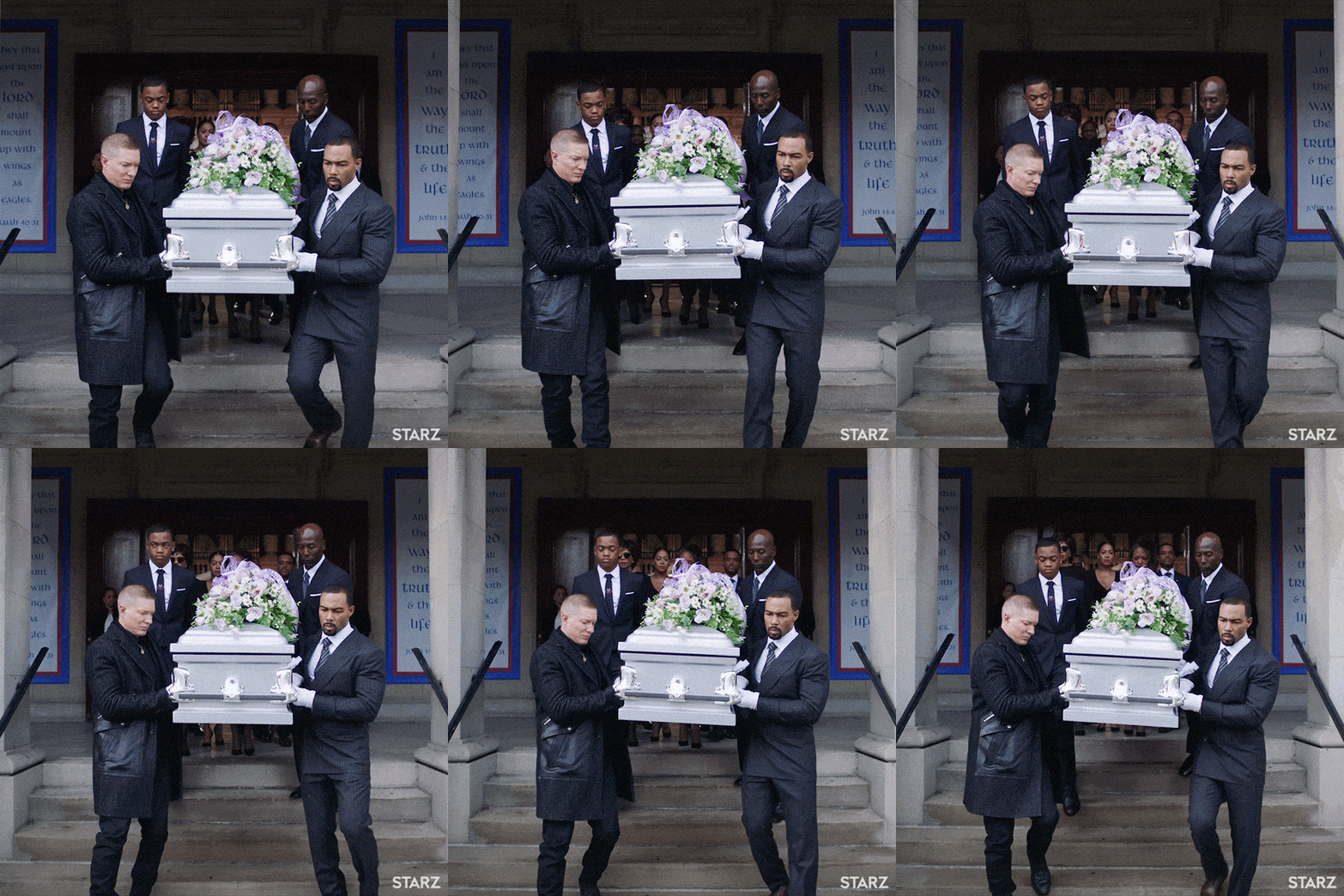
If talking about death is already uncomfortable, talking about funerals is even more so. But let’s think of it this way: everyone on this Earth shall have a taste of death, and will part ways with this world at one point.
We can’t plan how we die, but we can (and should) plan how our funeral is to be managed. As life insurance will pay out a lump sum to your beneficiaries when you pass on, the money can be used to finance your funeral costs.
Depending on funeral rites, funerals in Malaysia can cost hundreds or even tens of thousands of Ringgit. So with the cash payout from your life insurance, your loved ones won’t have to be burdened by expensive funeral costs.
2. Clearing outstanding debts

There’s a saying that goes “when you die, your debts die with you.” This couldn’t be further from the truth as your surviving guarantors will continue to shoulder the burden of repaying your debts. While you hope to clear your debts before you leave this world, some long-term debts like housing or property loans and other commitments may outlive you.
It’s true that your guarantors have entered into such agreements knowing full well that they have to bear the liabilities should anything happen to you as the borrower, but would you have the heart to leave them high and dry?
Your beneficiaries can help clear your outstanding debts with a cash payout from your life insurance.
3. Providing a lifeline to dependents

If you’re the sole breadwinner in your household, think hard and long about the future of your spouse and children when you’re no longer around to provide for them.
It’s a mountain-heavy responsibility indeed, but one that you can’t afford to put aside. If you’ve been saving consistently for your family’s future use, that’s a very responsible act. But would the savings be enough to cover your family expenses? Can the savings adequately fund your children’s education?
Life insurance is a protection, not a financial burden
You may not directly receive the benefits of your life insurance in your lifetime, but your beneficiaries will be financially relieved when you’re no longer around to watch over them.
Let Bjak help you get the life insurance that you and your loved ones need.
(Source: iMoney.my)
Frequently asked questions
What happens to life insurance after the policyholder dies?
The insurer will process the death claim according to the policy terms. If the claim is approved, the applicable benefit is paid to the beneficiary or other entitled party.
Who receives the life insurance payout after death?
The payout is generally paid to the named beneficiary or other person entitled to the benefit, depending on the policy and applicable Malaysian laws.
Can life insurance be used to pay funeral expenses?
Yes. Once the claim is paid, beneficiaries can use the money to cover funeral expenses and other financial needs.
Can life insurance money be used to pay off debts?
Yes. Beneficiaries may use the payout to help settle outstanding debts, depending on the circumstances. However, life insurance does not automatically cancel the deceased’s debts.
What happens to my family if I die without life insurance?
Not necessarily. Some life insurance policies also provide benefits for events such as total and permanent disability, depending on the policy terms.
How much life insurance coverage should I have?
There is no single amount that suits everyone. Consider your income, debts, family expenses, children’s future needs and existing savings when deciding how much coverage you need.
Is life insurance a financial investment?
Life insurance is primarily a form of financial protection. Some policies may have savings or investment-linked features, but these should not be confused with the basic purpose of life insurance protection.