What Is “Excess” in Car Insurance Policies
 Nabil Farhan· · 4 min read
Table of contents
Introduction
Ever made an insurance claim and found out that you still need to pay part of the repair cost?
That amount is called excess.
In simple terms, excess is the amount you may need to pay yourself when making certain types of car insurance claims. Your insurer then covers the remaining eligible cost, subject to the terms of your policy.
Understanding excess before buying or renewing your car insurance can help you avoid surprises when you need to make a claim.
1. What Does “Excess” Mean in Car Insurance?
Excess is the amount you are responsible for paying when an excess applies to your claim.
For example, if your policy has an excess of RM400 and the eligible repair cost is RM2,000:
- You pay RM400.
- Your insurer covers the remaining RM1,600, subject to the policy terms.
The actual excess amount depends on your policy and the circumstances of the claim. Always check your policy documents or Product Disclosure Sheet (PDS) for the exact amount.
2. Common Types of Excess
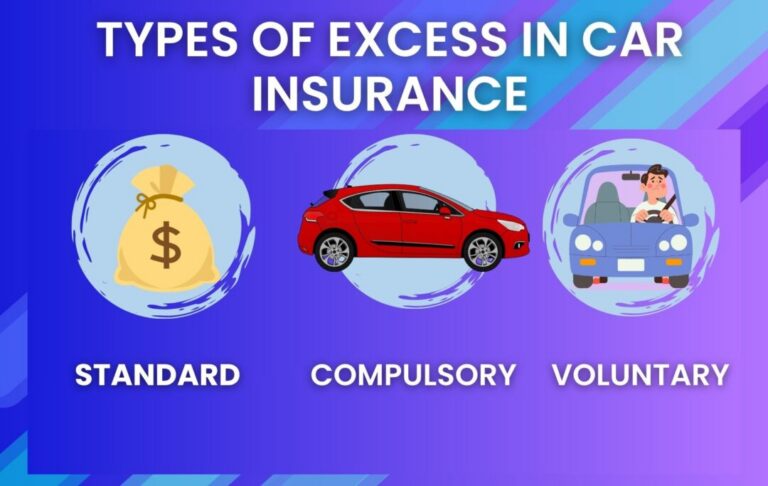
There are a few types of excess you may come across in a car insurance policy.
Standard Excess
This is the excess stated in your policy and may apply to certain claims.
The amount is not necessarily the same for every driver or vehicle. Check your policy documents to see whether an excess applies and how much it is.
Compulsory Excess
A compulsory excess may apply in certain situations, depending on your policy terms.
For example, some policies may impose an additional excess when the car is driven by:
- A young or inexperienced driver
- A driver with a probationary licence
- A driver who is not named or covered under the policy
The amount and conditions can differ between insurers, so don’t assume that every policy uses the same excess amount.
Voluntary Excess
A voluntary excess is an amount you agree to pay yourself when choosing your policy.
A higher voluntary excess may help reduce your premium, but it also means you need to pay more if an applicable claim is made.
Choose an amount that you can comfortably afford if an accident happens.
3. When Does Excess Apply?
Whether excess applies depends on the type of claim and your policy.
For example, it may apply to certain Own Damage claims involving repairs to your own vehicle.
Excess can also apply when specific driver or policy conditions are met.
On the other hand, some types of claims may not have an excess. For example, excess treatment can differ for:
The exact conditions depend on your insurance policy.
4. How Can You Avoid Unexpected Excess?
You don’t want to find out about your excess only after an accident.
Before buying or renewing your car insurance, you can:
Check the policy terms
Look at the excess section in your policy or PDS. Make sure you understand when you may need to pay.
Check who can drive your car
If family members or other people regularly drive your car, check whether they are covered and whether additional excess may apply.
Consider your voluntary excess
A higher voluntary excess may reduce your premium, but you will need to pay more if a claim with excess is made.
Choose an amount that fits your budget.
Compare car insurance policies
Different insurers can have different terms, coverage and excess conditions. You can compare car insurance options on BJAK before choosing a policy.
5. Simple Example of Excess
Let’s say you have comprehensive car insurance.
Your brother drives your car and gets into an accident. The policy may impose an additional excess if the circumstances meet the policy conditions, such as the driver being young or not meeting the policy’s driver requirements.
If an applicable excess of RM400 applies and the eligible repair cost is RM5,000:
- You pay RM400.
- The insurer covers the remaining RM4,600, subject to the policy terms.
The actual amount and whether the excess applies depend on your policy.
Conclusion
Excess is an important part of car insurance that is easy to overlook.
Before renewing your policy, check:
- How much excess applies
- When excess is charged
- Whether compulsory excess applies to certain drivers
- Whether you have chosen a voluntary excess
Understanding these details can help you choose coverage that fits your needs and avoid unexpected costs when making a claim.
You can also compare car insurance options on BJAK before renewing your policy.
Frequently asked questions
What is “excess” in car insurance?
Excess is the fixed amount you must pay out-of-pocket when making certain types of car insurance claims, before your insurer covers the remaining eligible repair cost.
How does car insurance excess work in a claim?
If your policy excess is RM400 and the eligible repair bill is RM2,000, you pay RM400 and the insurer pays RM1,600, subject to policy terms.
What are the main types of excess?
-
Standard excess: The base excess stated in your policy.
-
Compulsory excess: An additional excess triggered by specific conditions (e.g., young/unlisted drivers).
-
Voluntary excess: An amount you choose to increase, often to lower your premium.
When does excess apply to a claim?
Excess commonly applies to own-damage/own-vehicle repair claims and when certain driver or policy conditions are met. It may not apply to some third-party, fire, or theft claims depending on the insurer and policy wording.
Does excess apply to third-party claims?
Not always. Many policies waive or treat excess differently for pure third-party liability claims, but this varies by insurer and scenario—always check your policy or Product Disclosure Sheet (PDS).
Can I reduce or avoid paying excess?
You can:
-
Check your policy/PDS before buying or renewing to know when excess applies.
-
Ensure regular drivers are named/covered to avoid extra compulsory excess.
-
Choose a voluntary excess level you can afford if a claim occurs.
-
Compare policies, as excess terms differ between insurers.
Does a higher voluntary excess lower my premium?
Often, yes. Agreeing to a higher voluntary excess can reduce your premium, but it also means you’ll pay more out-of-pocket if an excess-bearing claim happens.
Who should I check with to confirm my excess amount?
Refer to your policy document or Product Disclosure Sheet (PDS), or contact your insurer/agent. The exact excess amount and conditions can differ between policies and drivers.