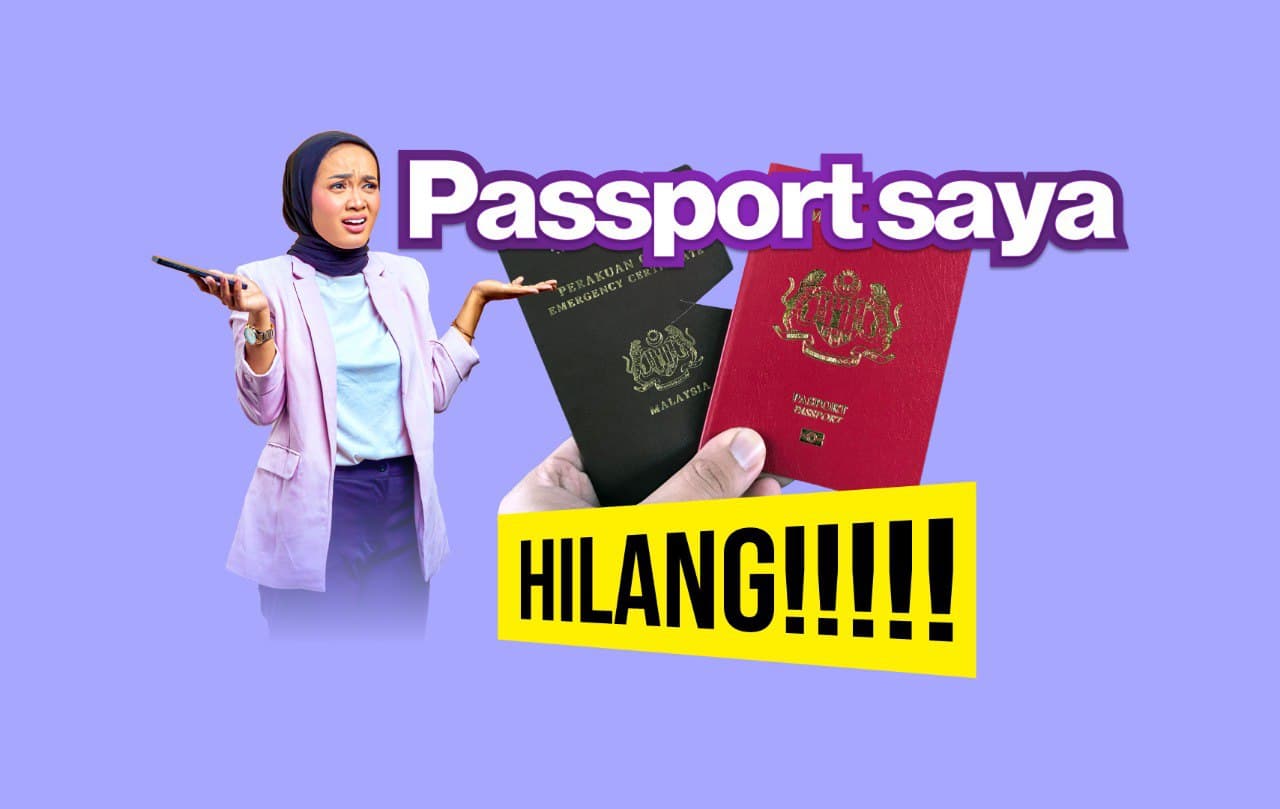
A holiday overseas can give you some of your best memories. It can also go wrong quickly if your phone, wallet or passport goes missing. One moment of distraction at a busy train station or airport is all it takes.
The good news is that most losses can be prevented with a little planning. Below are five simple ways to protect your belongings when travelling, plus what to do if something still goes missing.
1. Make a list of what you are bringing
Before you pack, write down everything you plan to take, especially valuable items. This includes your phone, laptop, camera, power bank, jewellery and cards. Check the list again before you zip up your bag so nothing gets left behind.
Keep your valuables together and organised, not loose at the bottom of your bag. If you can, carry your laptop and camera in a separate bag that stays with you.
A list is also useful if you ever need to make a report. Noting the brand, model and rough purchase price of each valuable item makes it easier to describe what you lost to the police or your insurer.
2. Invest in good travel gear
Whether you travel every few months or once every few years, good travel gear lowers the risk of damage and theft. This matters even more if you are travelling alone.
Luggage locks
A sturdy lock on your suitcase and backpack makes it harder for someone to open your bag. A combination lock is handy because there is no key to lose.
If you are flying to or through the United States, consider a TSA-recognised lock. US airport security staff can open these with a master key. If they cannot open a bag with an ordinary lock, the lock may be cut, according to the US Transportation Security Administration.
Anti-theft bags
Anti-theft backpacks and sling bags are designed to make pickpocketing harder. Common features include hidden zips, slash-resistant material and pockets that sit against your back.
Whatever bag you use, wear it in front of you in crowded places such as markets, trains and tourist spots.
3. Keep copies of important documents
Your passport, identity card, flight tickets and hotel bookings can go missing through carelessness or theft. Make copies before you leave. Paper copies are fine, but you can also save digital copies in your email or a secure cloud folder.
Store the paper copies separately from the originals. That way, one lost bag does not take everything with it.
If you lose your Malaysian passport overseas, the official steps on the MyGOV portal are:
Lodge a police report in the country where the loss happened and keep a copy.
Go to the nearest Malaysian embassy, high commission or consulate with the police report and apply for an Emergency Certificate, a one-way travel document to return home.
Once you are back in Malaysia, report the loss to the Immigration Department so you can apply for a replacement passport.
You can also register your trip on the Ministry of Foreign Affairs’ e-Konsular system. This helps Malaysian missions abroad reach and assist you faster in an emergency. For a full list of documents to bring, read our travel documents checklist.
4. Lock your phone and accounts
Your phone holds a lot of your life: email, social media, banking apps, e-wallets and personal notes. If it is stolen and unlocked, the thief may gain access to all of them.
Protect your phone and accounts with these steps:
Set a strong PIN or password that other people cannot easily guess, and turn on fingerprint or face unlock.
Add a separate lock to apps that allow it, especially banking and e-wallet apps.
Turn on two-factor authentication for your email and social media accounts.
Switch on your phone’s built-in device-finding feature so you can locate, lock or erase it remotely.
Log out of your accounts on shared computers, such as those in hotel lobbies.
If your phone does go missing, contact your bank and e-wallet providers quickly so they can block access to your accounts.
5. Buy travel insurance
Medical cover is not the only reason to buy travel insurance. Many plans also cover loss of or damage to your baggage and personal belongings during your trip, subject to the policy terms and limits.
When comparing plans, look at the following benefits:
Benefit
What it usually helps with
Loss of or damage to baggage and personal effects
Items lost, stolen or damaged during your trip, up to the policy limit
Baggage delay
Essentials you need to buy while your checked baggage is delayed
Loss of travel documents
Costs of replacing a lost passport or other travel documents
Flight delay or cancellation
Extra costs or inconvenience when your flight is disrupted
Benefits, limits and exclusions differ between insurers and plans, so read the policy wording before you buy. Some policies set a limit per item or exclude items left unattended.
What to do if your belongings are stolen
Act quickly, because insurers usually expect losses to be reported promptly. For example, one Malaysian insurer asks for a police report within 24 hours for theft. It also asks for a report from the airline or hotel if the loss happened in their care.
Make a police report and ask for a copy.
Get a Property Irregularity Report from the airline if your checked baggage is lost or damaged.
Note down the brand, model, purchase year and price of each item.
Take photos of any damaged items or baggage.
Contact your insurer and check its claim deadline.
You cannot control everything that happens on holiday, but simple habits lower the risk of losing your things. Make a packing list, use good locks and bags, back up your documents, secure your phone and get the right travel insurance.
These steps also make you a harder target for thieves, so you can focus on enjoying your trip.
Bjak lets you compare travel insurance plans from different insurers in one place. Get a free travel insurance quote and choose a plan that suits your trip and budget.
Does travel insurance cover stolen phones and laptops?
Many travel insurance plans cover loss of or damage to personal belongings, which can include phones and laptops. Cover is subject to limits, often per item, and exclusions such as items left unattended. Check your policy wording before you travel.
What should I do if my passport is stolen overseas?
Lodge a police report where the loss happened, then go to the nearest Malaysian embassy, high commission or consulate to apply for an Emergency Certificate. This one-way document lets you return to Malaysia, where you then apply for a replacement passport.
Do I need a police report to claim for lost belongings?
For theft, insurers usually ask for a police report, and some require it within 24 hours. If your checked baggage was lost or damaged by an airline, you will usually also need a Property Irregularity Report from the airline.
What is a TSA-recognised luggage lock?
It is a lock that US airport security staff can open with a master key if they need to inspect your bag. If they cannot open a bag with an ordinary lock, the lock may be cut. It is most useful when flying to or through the United States.
Is it safe to keep digital copies of my documents?
Digital copies are useful when the originals are lost. Keep them in a secure place, such as your own email or a password-protected cloud folder, and protect those accounts with strong passwords and two-factor authentication.

 Nabil Farhan· · 5 min read