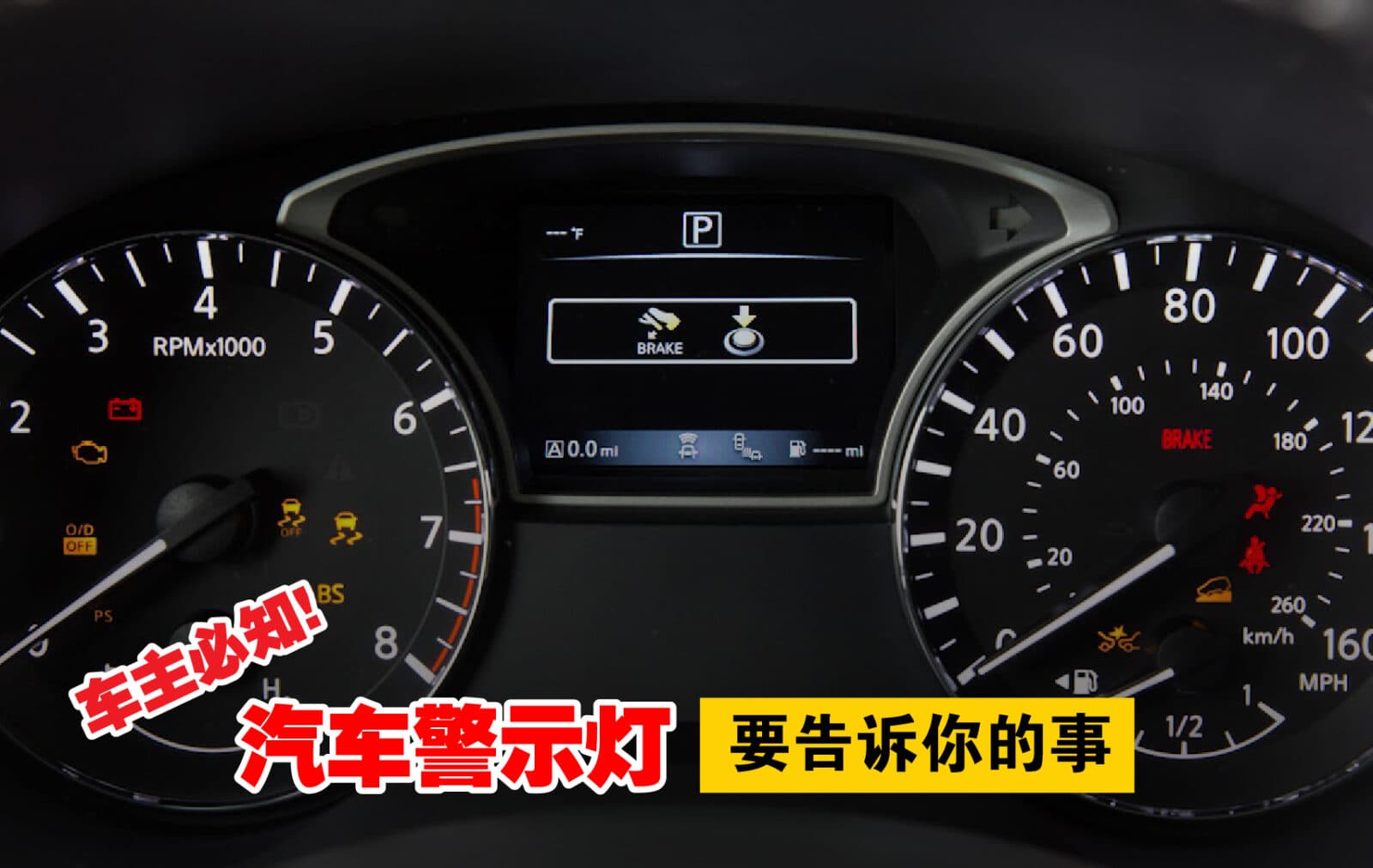
Every time you start your car, a few lights flash on the dashboard and then go out. When one stays on, or comes on while you are driving, your car is telling you something. Some lights simply show that a feature is working. Others warn of a fault that can damage the engine or put you and your passengers at risk. Knowing the difference helps you decide whether to keep driving, slow down or pull over.
What Happens to the Lights When You Start the Car
In a car with a key, the ignition has four positions: LOCK (engine off and steering locked), ACC (accessories powered), ON (all electrical systems powered) and START (engine cranks). Turn the key to ACC or ON and wait a few seconds. You will hear the electronics power up and see the warning lights come on. Once the car finishes its self-check, the lights go out, and you can then turn the key to START.
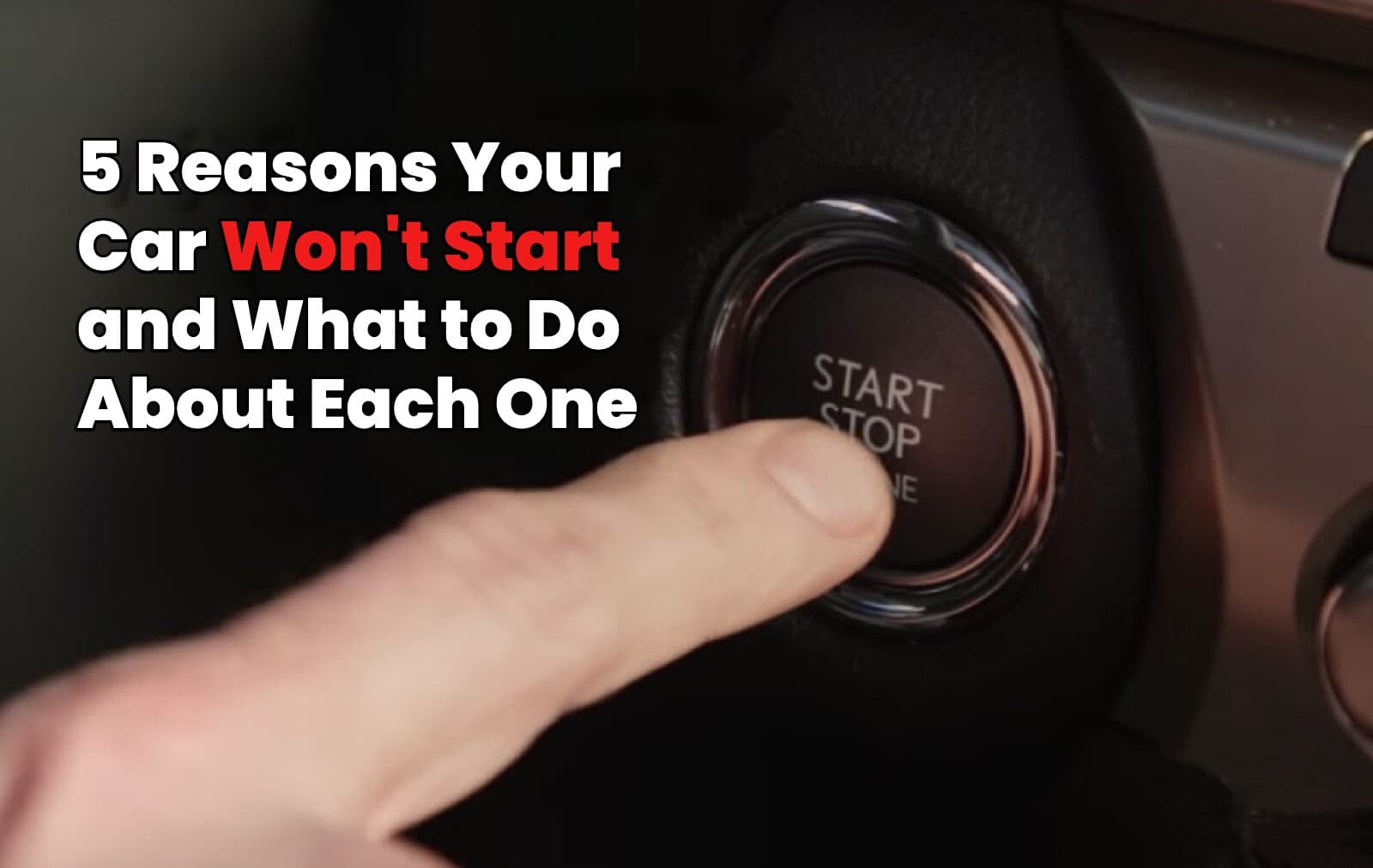
In a keyless car with a start button, press the button once and wait for the ACC light. Press it again so the car runs its self-check. When the check is done, press the brake pedal and press the button once more to start the engine. Lights that stay on after the engine is running need your attention.
What the Colours Mean
Most cars use the same colour code, similar to a traffic light:
Red: a serious problem that needs immediate attention. Stop in a safe place as soon as you can.
Amber or yellow: a caution. The car is usually still drivable, but you should have it checked soon.
Green: information only. It shows that a system is switched on and working.
Symbols vary slightly between brands, so keep your owner’s manual handy for the exact icons in your model.
Common Car Warning Lights and What to Do
Warning light
What it usually means
What to do
Check engine
An engine or emissions issue, such as a loose fuel cap, a faulty sensor or a misfire
Get it checked soon. If the light is flashing, stop driving and call for professional help
Oil pressure (red)
Oil pressure is too low, which can cause severe engine damage
Stop safely and check the oil level before you continue
Coolant temperature (red)
The engine is overheating, often from low coolant, a radiator problem or long spells in heavy traffic
Stop in a safe place and let the engine cool down
Brake system (red)
The handbrake may still be on, brake fluid may be low, or there may be a brake fault
Check that the handbrake is fully released, then check the brake fluid and brake pads
Battery
A charging system problem, such as a weak battery, a faulty alternator or an electrical fault
Switch off non-essential electronics and go to a workshop
Tyre pressure
One or more tyres are underinflated
Check and correct the tyre pressure as soon as possible
ABS, traction control and airbag
A fault in a safety system that matters in an emergency
Have it checked as soon as possible
The Warning Lights Drivers Should Never Ignore
Brake System Light
If this light comes on, first make sure the handbrake is fully released. If the handbrake is fine, check the brake fluid level and the brake pads. If the light stays on, drive carefully to the nearest workshop, because a brake fault can lead to an accident at any time.
Battery Light
The battery light, usually red or yellow, tells you about the charging system. If it stays on after the engine starts, the battery or charging system needs checking. Avoid long drives, because the engine may be draining the battery and the car can stop once it runs flat. Turn off the radio, air conditioning and other electrical items, then go to a nearby workshop.
Oil Pressure and Coolant Temperature Lights
Both are red for a reason. Driving with low oil pressure or an overheating engine can cause severe damage. Malaysia’s hot weather and heavy traffic make overheating more likely, so stop promptly if the temperature light appears and keep your oil at the right level and quality.
Power Steering Light
This light means the power steering system has a fault. Steering assistance may weaken or disappear, sometimes suddenly or on and off while you drive. This is dangerous and cannot be fixed at home, so have it repaired at a workshop.
Lights That Need Attention Soon
Low Fuel Light
This light means the fuel is running low. Refuel soon. Running very low on fuel can stop the fuel pump from being cooled properly, which may shorten its life.
Stability Control Light
Stability control helps the car stay steady when you corner or drive in rain. If the light comes on and stays on, the system may have been switched off by accident, so take extra care on slippery roads. If you did not switch it off, the system may have a fault and should be repaired.
Tyre Pressure Light
Underinflated tyres affect fuel efficiency, tyre life and safety, and raise the risk of a blowout. This is especially important if you drive long distances or on varied road conditions. Check the pressure when the tyres are cold, and top up to the level in your owner’s manual.
Why Ignoring Warning Lights Costs More
A light you cannot read is easy to dismiss. But if you cannot tell what a light means, you cannot tell whether the car needs a workshop visit. A serious problem left alone can lead to expensive repairs, and in the worst case an accident that puts the driver and passengers in danger. When in doubt, check your manual or ask a trusted workshop. For more on what each light means for Malaysian drivers, see this guide to dashboard warning lights from Motorist.
Does Car Insurance Cover Repairs Caused by Warning Lights?
A warning light usually points to a mechanical or electrical fault, and normal wear and tear or a mechanical breakdown is generally not what comprehensive car insurance pays for. Insurance is there for accidents, theft and similar events, so check your policy wording for exactly what is covered. A car kept in good working order is also safer on the road. You can compare quotes from multiple insurers on BJAK car insurance.
Conclusion
Dashboard warning lights are an early alert, not a nuisance. Red means stop and act, amber means get it checked soon, and green means a system is working. Learn the main lights, respond quickly to the red ones and keep up with regular servicing so small faults do not become big bills.
What do the colours of dashboard warning lights mean?
Red means a serious problem that needs immediate attention. Amber or yellow means caution and the car should be checked soon. Green shows that a system is switched on and working.
Can I keep driving with the check engine light on?
If the light is steady, the car is usually still drivable, but you should have it checked soon because the cause may be a sensor, an emissions issue or a misfire. If the light is flashing, stop driving and get professional help.
What should I do when the oil pressure light comes on?
Stop in a safe place and check the oil level before you continue driving. Low oil pressure can cause severe engine damage.
Why does the battery light stay on after I start the car?
It points to a problem with the charging system, such as a weak battery or a faulty alternator. Turn off non-essential electronics and take the car to a workshop soon, because the car may stall or fail to restart.
What does the tyre pressure light mean?
One or more tyres are underinflated. Check the pressure and top up as soon as possible, as low pressure affects safety, fuel efficiency and tyre life.
Is it normal for warning lights to come on when I start the car?
Yes. The lights come on briefly while the car runs its self-check and then go out. A light that stays on after the engine is running needs your attention.

 Nabil Farhan· · 6 min read