Sweaty palms, a tight chest and shallow breathing before you have even left the car park. If that sounds like you, you may be a nervous driver, and you are far from the only one.
Driving anxiety can start after a crash or a near miss. It can also creep in when you have not driven for months, or when you never felt fully ready after getting your licence. Whatever the cause, it can be managed with preparation and steady practice.
This guide covers the common signs, what to do before and during a drive, how to build confidence in small steps, and when it makes sense to get professional help.
Why some people feel nervous about driving
Nervousness behind the wheel rarely comes from one thing. These are some of the usual triggers:
- A past accident or near miss that left you shaken, even if nobody was hurt.
- Long breaks from driving, for example after years of taking public transport or e-hailing.
- Limited experience with specific skills such as parallel parking, merging onto highways or using roundabouts.
- Heavy traffic and fast, aggressive drivers, which can feel overwhelming in busy cities like Kuala Lumpur and Johor Bahru.
The US-based Anxiety & Depression Association of America points out that many driving fears are not linked to an accident at all. Fear of panicking in a jam, of driving alone to an unfamiliar place or of losing control at speed are just as common.
Signs you might be a nervous driver
Some people feel a little uneasy on certain roads, while others avoid driving altogether. You may recognise yourself in a few of these:
- You avoid driving alone, or only drive when someone else is in the car.
- You stick to the same familiar routes and avoid new places.
- You go out of your way to skip highways, roundabouts or multi-storey car parks.
- You feel trapped or panicky in long traffic jams.
- Your heart races, your hands sweat or you feel dizzy before or during a drive.
These physical reactions match the anxiety symptoms described by the NHS, such as dizziness and tightness in the chest. Knowing which situations set yours off is the first step to working on them.
Tips for nervous drivers before you set off
A lot of driving stress comes from uncertainty. Good preparation removes many of the surprises that make you tense.
Check your car
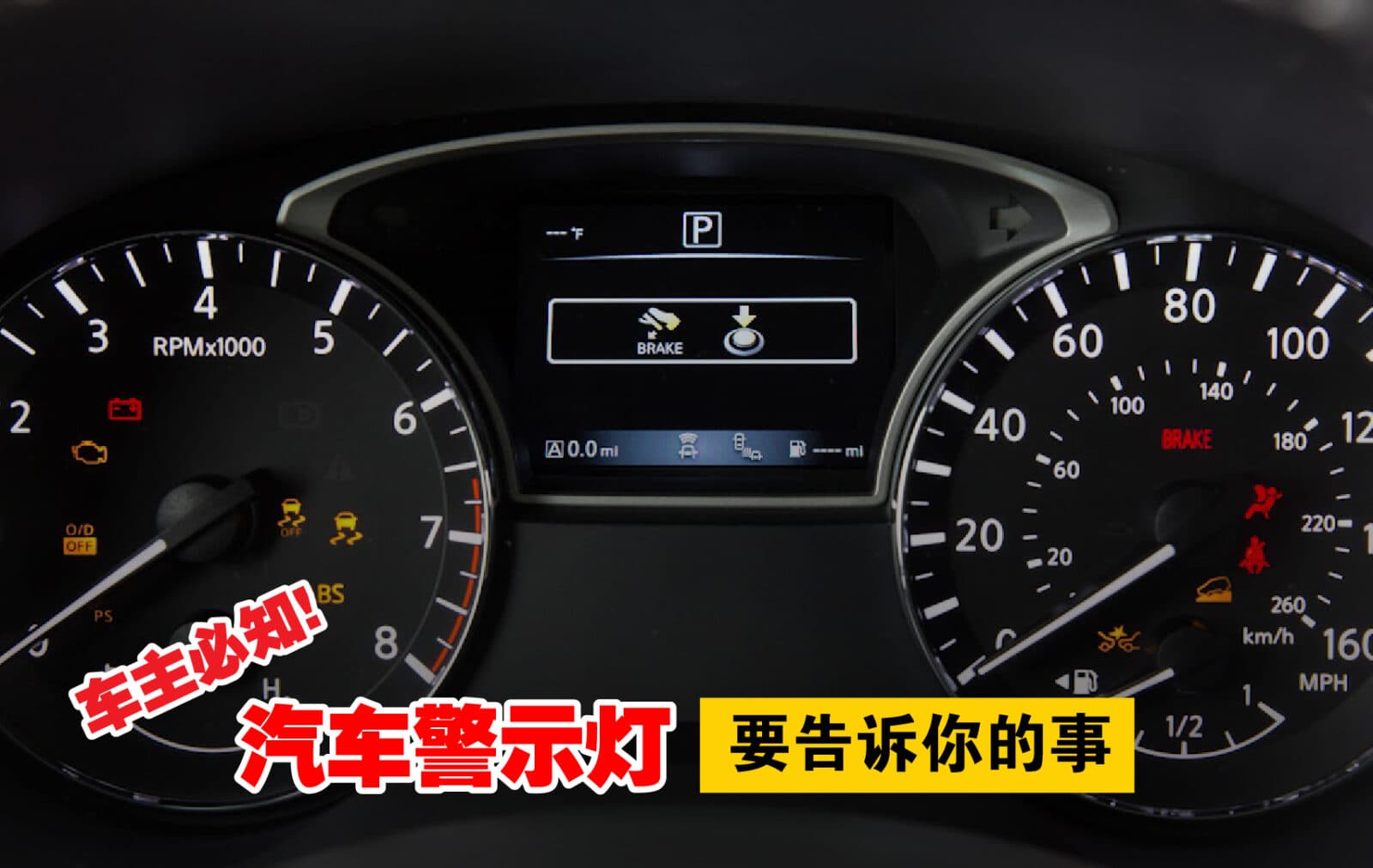
Look at your tyre pressure, fuel level and warning lights before you leave. A car that is serviced on schedule is less likely to give you trouble, which is one less thing to worry about on the road.
Plan your route
Go through the route on Google Maps or Waze before you start. Note where you need to change lanes, which exit to take and where you can stop if you need a break.
Pick quieter times
Avoid the morning and evening rush when you are still building confidence. Weekend mornings or mid-morning on a weekday are often calmer, although traffic varies by area.
Check the weather
Heavy rain cuts visibility and makes roads slippery. If a storm is forecast and the trip is not urgent, it is sensible to wait until it passes.
Set up your phone hands-free
Mount your phone in a holder, start navigation before you move and switch on silent or driving mode. Using a handheld phone while driving is an offence under Rule 17A of the Road Traffic Rules 1959, and it still counts when you are stopped at traffic lights or in a jam, as The Star reports. A first conviction can bring a fine of up to RM1,000 or up to three months in jail, according to Carz.
How to stay calm while you drive
Take your time
Drive at a steady speed within the limit and stay in the left lane on highways unless you are overtaking. Let faster drivers pass. Other people’s impatience is not your problem to solve.
Leave plenty of space
A bigger gap to the car in front gives you more time to react, which makes sudden braking far less stressful. Our guide to common mistakes Malaysian drivers make explains how to keep a safe following distance.
Use slow breathing
When you feel tension rising, breathe in slowly through your nose and out through your mouth. The NHS lists breathing exercises as a simple self-help step for anxiety, and you can do them at a red light or in a slow queue.
Keep distractions low
Calm music or a familiar podcast at low volume can help some drivers relax. If it pulls your attention away from the road, switch it off.
Know where you can stop
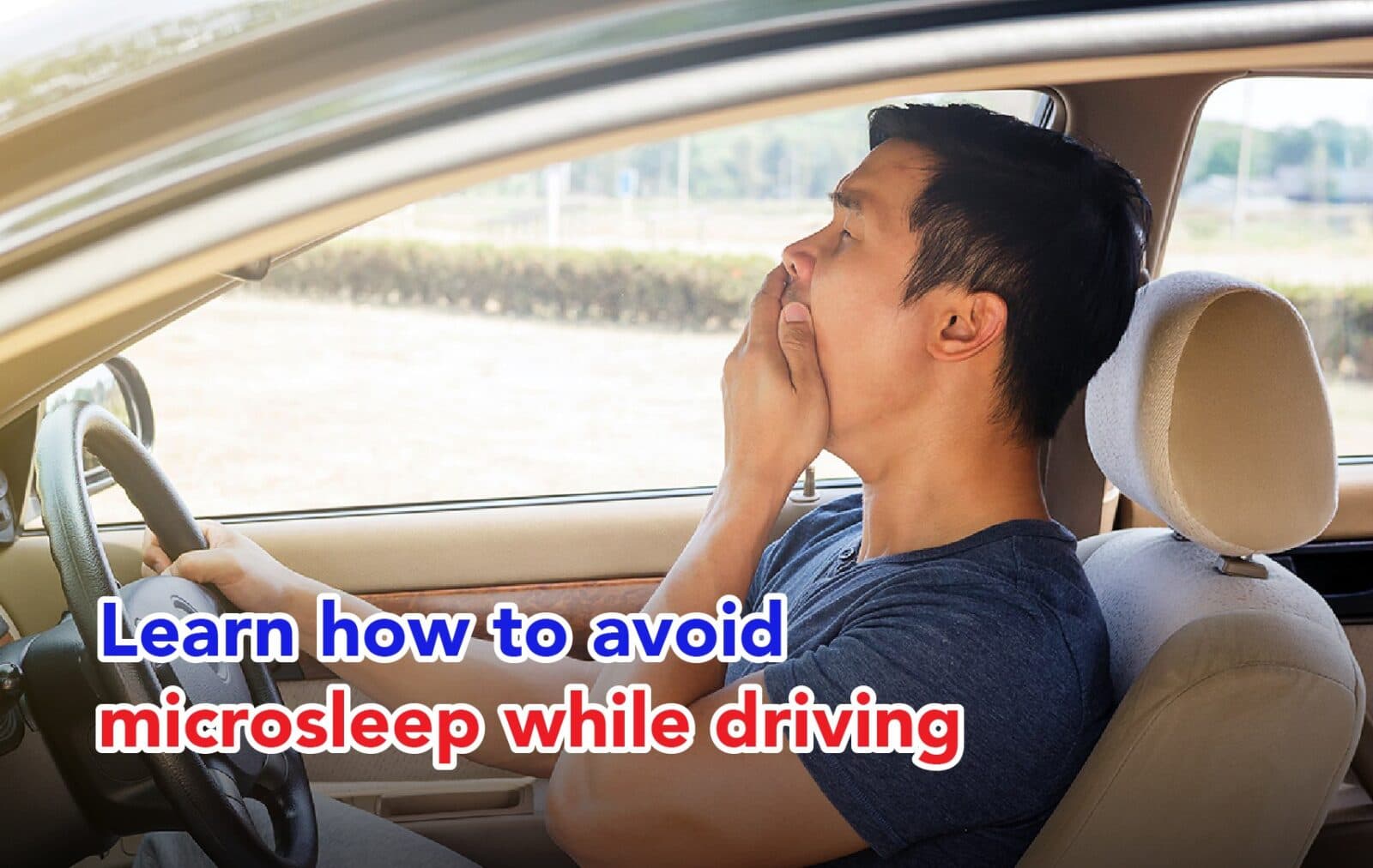
If anxiety builds up, pull into the next petrol station or R&R rather than pushing on. A short break on long trips also helps you stay alert, as explained in our article on microsleep while driving.
Have a plan if something goes wrong
Many nervous drivers worry most about breaking down or having an accident. Having a clear plan makes that fear easier to manage.
Build your confidence step by step
Avoiding driving tends to make the fear grow. The NHS Wales health guide describes how gradual exposure, where you face a fear in small, increasing steps, can help with phobias. You can apply the same idea to driving:
- Drive around your neighbourhood at a quiet time with a calm, experienced passenger.
- Do the same short route on your own.
- Add a busier road that you already know well.
- Try a short highway stretch between two nearby exits.
- Take on a longer or unfamiliar trip once the earlier steps feel comfortable.
Stay at each step until it feels manageable before moving on. It is normal to have good days and bad days.
A lesson with a qualified instructor can also help. Some Malaysian driving centres run defensive driving courses for drivers who already hold a licence, which teach you to spot hazards early. Ask the centre what the course covers before you sign up.
If you are a new driver, our P licence guide explains how insurance works while you build experience.
When to get professional help
For some people, driving anxiety goes beyond nerves. Consider speaking to a doctor if you have panic attacks while driving, avoid driving even when you really need to, or find the fear affecting your work or daily life.
The NHS recommends seeing a doctor when phobia symptoms affect your life, and lists talking therapies such as cognitive behavioural therapy (CBT) as a treatment. In Malaysia, you can start with a GP or a government health clinic, who can refer you to a psychologist or psychiatrist if needed. UK charity Anxiety UK also publishes a fact sheet on the fear of driving and its evidence-based treatments.
Drive at your own pace
Being a nervous driver does not make you a bad driver. Prepare well, start small and give yourself credit for every trip you complete. Confidence usually returns with regular, low-pressure practice.
Feeling covered also takes some worry off the road. Before your next renewal, you can compare car insurance quotes on BJAK from multiple insurers and takaful operators and check which plans include roadside assistance.

 Nabil Farhan· · 6 min read